






The Glory of Love (Benny Goodman Song)
From Wikipedia, the free encyclopedia
| “The Glory of Love” | |
|---|---|
| Single by Benny Goodman and His Orchestra (Vocal Helen Ward) | |
| B-side | “You Can’t Pull the Wool Over My Eyes” |
| Released | May 6, 1936 |
| Recorded | April 23, 1936 |
| Genre | Pop |
| Label | Victor 25316 |
| Songwriter | Billy Hill |
| Benny Goodman singles chronology | |
| “The Glory of Love’“ (1936) | |
“The Glory of Love” is a song that was written by Billy Hill and recorded in 1936 by Benny Goodman. Goodman’s version was a number one pop hit. The song has been recorded by many artists. It was the signature theme of the 1967 film Guess Who’s Coming to Dinner, performed by nightclub singer Jacqueline Fontaine on camera, as well as over the opening and closing credits. Bette Midler included the song in the film Beaches (1988) and it appears on the soundtrack album.
Charts
| Chart (1951) | Peak position |
|---|---|
| US Billboard Hot Rhythm & Blues Songs | 1 |
The Five Keys version
| “The Glory of Love” | |
|---|---|
| Single by The Five Keys | |
| from the album Best of The Five Keys | |
| B-side | “Hucklebuck with Jimmy” |
| Released | 1951 |
| Recorded | 1951 |
| Genre | Rhythm and blues |
| Length | 3:18 |
| Label | Aladdin |
| Songwriter | Billy Hill |
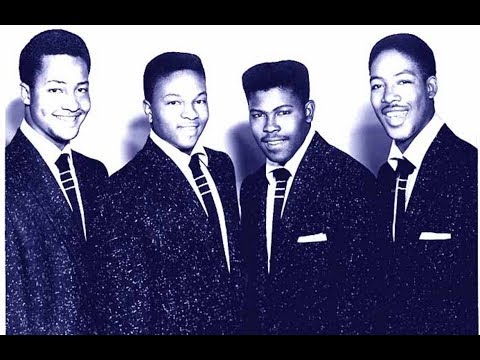
In 1951, R&B vocal group The Five Keys had their biggest R&B hit with their version of the song, hitting number one on the R&B chart for four non-consecutive weeks.
| Chart (1951) | Peak position |
|---|---|
| US Billboard R&B Chart | 1 |
Otis Redding version
| “The Glory of Love” | |
|---|---|
| Single by Otis Redding | |
| from the album The Dock of the Bay | |
| B-side | “I’m Coming Home” |
| Released | 1967 |
| Recorded | December 1967 |
| Genre | Soul, Pop |
| Length | 2:38 |
| Label | Volt S419 |
| Songwriter | Billy Hill |
| Producer | Steve Cropper |
| Otis Redding singles chronology | |
| “Shake“ (1967)”The Glory of Love“ (1967)”Tramp“ (1967) | |
In 1967, Otis Redding recorded a cover version for his 1968 album The Dock of the Bay. Redding’s cover became a top 20 hit and reached number 19 on the Billboard R&B Songs chart and number 60 on the Billboard Hot 100.
Charts
| Chart (1967) | Peak position |
|---|---|
| US Billboard Hot 100 | 60 |
| US Billboard Hot Rhythm & Blues Songs | 19 |
Other versions
- Big Bill Broonzy (1957) – also used in the soundtrack of 2003 film Intolerable Cruelty
- Sanford Clark – Dot Records single (1957)
- Chas & Dave – included on the album That’s What Happens (2013)
- Rosemary Clooney – My Buddy (1983)
- Billy Cotton and His Band (1936)
- Vic Damone – his version reached No. 15 on the Billboard Easy Listening chart and was later included on his album Why Can’t I Walk Away (1968)
- Jimmy Durante – for his album Hello Young Lovers (1965)
- Jacqueline Fontaine – featured prominently in the film Guess Who’s Coming to Dinner (1967)
- Peggy Lee – Jump for Joy (1958)
- Dean Martin – included in the album Dean Martin Sings Songs from “The Silencers” (1966)
- John Martyn – included in the album Inside Out (1973)
- Bette Midler – included in the soundtrack of Beaches (1988)
- Paul McCartney – Kisses on the Bottom (2012)
- Tom Rush – included on his 1968 album The Circle Game (1968)
- Kay Starr – for her album Rockin’ with Kay (1958).[14]
- The Velvetones (1957) – used in the soundtrack of Casino (1995)
- Veronica Osorio and Alden Ehrenreich – used in the Coen brothers’ film Hail, Caesar! (2016)
- Imelda May – used in the film Blithe Spirit (2020)
- Isabelle Fuhrman – used in the film Orphan (2009)
- The Andrews Sisters (1950)
- Keb’ Mo’ – used in the film One Fine Day (1996)
- John Renbourn & Wizz Jones – on album Joint Control (recorded March 2015 shortly before Renbourn died, by World Music Network) (2016)
- Nuha Jes Izman – used in the television series Yellowjackets (2021)
Glory of Love may refer to :
- Music
- Glory of Love (album), 1968 studio album by Herbie Mann
- “Glory of Love” (Peter Cetera song), 1986
- The Glory of Love, 1969 album of cover songs by Eddy Arnold
- “Glory of Love” (The Armoury Show song), 1985
- “The Glory of Love” (Benny Goodman song), 1936, covered by multiple artists
- Alive with the Glory of Love, a single from Say Anything from their 2006 album …Is a Real Boy
Literature
- The Glory of Love, story by Leslie Beresford on which the 1923 film While Paris Sleeps was based
- “Fish for Life” (Mancrab)
- “Let Me at ‘Em” (Southside Johnny)
- “This Is the Time” (Dennis DeYoung)
- “Love Theme from The Karate Kid Part II” (Bill Conti)
- “Two Looking at One” (Carly Simon)
- “The Storm” (Bill Conti)
The Karate Kid Part II opened in 1,323 theaters across North America on June 20, 1986. In its opening weekend, the film ranked first in its domestic box office grossing $12,652,336 with an average of $9,563 per theater. The film earned $20,014,510 in its opening week and ended its run earning a total of $115,103,979 domestically.
Alex Stewart reviewed The Karate Kid Part II for White Dwarf #81, and stated that “The Karate Kid Part II is highly enjoyable. Positive and upbeat, without descending to mawkishness, this too is one to catch.”
On Rotten Tomatoes, the film has an approval rating of 45% based on 31 reviews, with an average rating of 5.02/10. The site’s critics consensus states: “Like countless sequels, The Karate Kid Part II tries upping the stakes without straying too far from formula — and suffers diminishing returns as a result.” On Metacritic the film has a weighted average score of 55 out of 100, based on nine critics, indicating “mixed or average reviews”. Audiences polled by CinemaScore gave the film an average score of “A-” on an A+ to F scale.
Movie-gazette.com gave the film a positive review, stating the film was a “worthy follow-up to the first Karate Kid film, with added interest provided by its exotic locations and characters.” The Los Angeles Times also gave the film a positive review, particularly praising Pat Morita’s performance as Miyagi and calling the actor “the heart of the movie”. Film historian Leonard Maltin agreed with the strength of the performances, but called the film “Purposeless… corny in the extreme — all that’s missing from the climax is hounds and ice floes — but made palatable by winning performances. Best for kids.” At the Movies gave the film a mixed review, with both critics praising the character Miyagi but criticizing the villains and action scenes. Roger Ebert recommended the movie overall but Gene Siskel did not.
At the 1987 ASCAP Awards, Bill Conti won Top Box Office Films for the original music, which was released on United Artists Records. It also received a different Academy Award nomination for Best Original Song for “Glory of Love“.























)
Comments