








Memories are only for reminiscing; loved ones are gone and will never return. (Song)
“往事只能回味” (Wǎngshì zhǐnéng huíwèi), which translates to “The Past Can Only Be Reminisced,” is more than just a song—it’s a cultural touchstone in the Mandopop world. Released in 1970, it defined an era of music in Taiwan and remains a karaoke staple to this day.
Here is everything you need to know about this timeless classic.
🎵 The Essentials
| Feature | Details |
| Original Artist | You Ya (尤雅) |
| Composer | Liu Jiachang (劉家昌) |
| Lyricist | Lin Huang-kun (林煌坤) |
| Release Year | 1970 |
| Genre | Mandopop / Sentimental Ballad |
📜 The Story & Meaning
The song is a nostalgic look back at childhood innocence and a lost “sweetheart” connection.
- The Narrative: The lyrics tell the story of two neighbors who grew up together as “childhood sweethearts” (青梅竹馬). They played together every day, but as they grew up, the person they cared for changed their heart.
- The Emotional Core: It captures the bittersweet realization that time is a one-way street. The protagonist laments that while the memories are beautiful, they are trapped in the past—hence the title, the past can only be remembered, never relived.
🌟 Why It’s Famous
This song was the “breakout hit” for both the singer, You Ya, and the legendary composer, Liu Jiachang.
- The “Liu” Style: Liu Jiachang became a titan of the industry after this song. His style—simple, catchy melodies with deep emotional resonance—dominated the 70s and 80s.
- Cultural Longevity: It has been featured in numerous films and TV shows. Most recently, it gained a massive “Gen Z” resurgence after being featured prominently in the 2015 blockbuster film Detective Chinatown.
Here are the full lyrics for “往事只能回味” (Wǎngshì zhǐnéng huíwèi).
The song is famous for its simple yet evocative language, particularly its use of the idiom “青梅竹馬” (green plums and bamboo horse), which is the classic Chinese way of describing childhood sweethearts.
🎵 Lyrics: Chinese, Pinyin, and English
| Chinese (Characters) | Pinyin | English Translation |
| 时光一逝永不回 | Shíguāng yī shì yǒng bù huí | Time passes and never returns |
| 往事只能回味 | Wǎngshì zhǐnéng huíwèi | The past can only be reminisced |
| 忆童年时竹马青梅 | Yì tóngnián shí zhúmǎ qīngméi | Recalling childhood days of sweethearts |
| 两小无猜日夜相随 | Liǎng xiǎo wú cāi rìyè xiāng suí | Innocent and together day and night |
| 春风又吹红了花蕊 | Chūnfēng yòu chuī hóngle huāruǐ | The spring breeze reddens the buds again |
| 你已经也添了新岁 | Nǐ yǐjīng yě tiānle xīn suì | You have also grown a year older |
| 你变心像时光难回 | Nǐ biànxīn xiàng shíguāng nán huí | Your heart changed like time that can’t return |
| 我只有在梦里相依偎 | Wǒ zhǐyǒu zài mèng lǐ xiāng yīwēi | I can only lean on you in my dreams |
📖 Key Vocabulary & Idioms
If you are learning Chinese, this song is a goldmine for classic romantic metaphors:
- 时光 (shíguāng): Time / The passage of years.
- 回味 (huíwèi): To reminisce or savor a memory (literally “to return to the flavor”).
- 竹马青梅 (zhúmǎ qīngméi): A “bamboo horse” (what boys played with) and “green plums” (what girls gathered). It’s the standard idiom for childhood sweethearts.
- 两小无猜 (liǎng xiǎo wú cāi): “Two little ones without suspicion.” It describes the pure, innocent relationship between a young boy and girl.
- 相依偎 (xiāng yīwēi): To lean on each other / To snuggle.
💡 A Note on the “Vibe”
The melody is quite upbeat and bouncy, which creates a “bittersweet” contrast with the lyrics. Even though the singer is lamenting a lost love and the cruel passage of time, the music feels like a warm, nostalgic hug. This is why it remains a favorite for people of all ages—it feels like looking at a faded, sepia-toned photograph.
🎤 Notable Covers
Because the melody is so iconic, almost every major Chinese singer has covered it. Some of the most famous versions include:
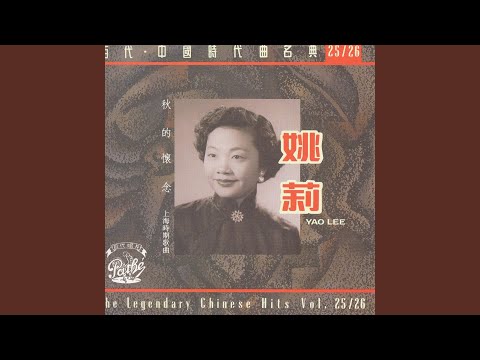
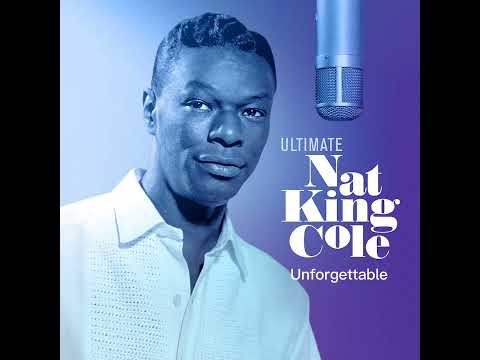
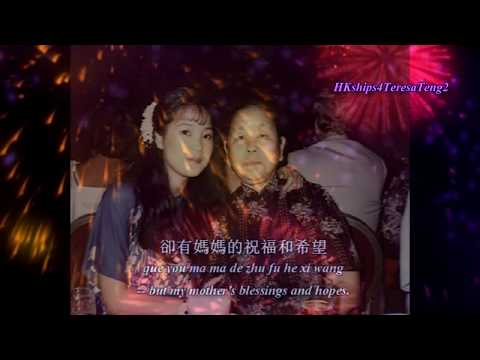
- Teresa Teng (鄧麗君): Her version is perhaps the most famous cover, bringing her signature sweetness to the melancholy lyrics.
- Fei Yu-ching (費玉清): Known for his impeccable technique and old-school elegance.
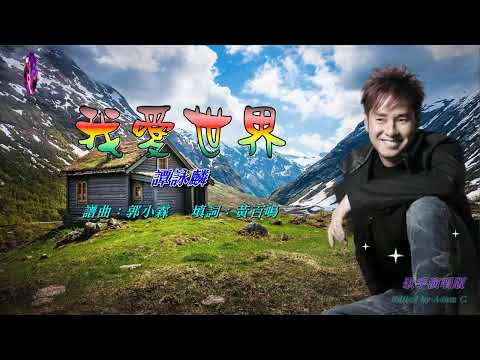
- Han Lei (韓磊): Gave it a powerful, more masculine interpretation on the show I Am a Singer.
- Hao Haidong & various indie artists: Have reimagined it with jazz or folk arrangements.
- Zhou Shen
- Zhu Hua
- G.E.M
- 劉家昌 Liu Chia Chang
- Han Bao Yi
- Angeline黄晓凤
- Instrumental
- Lyra
- 庄学忠
- 劉家昌
- 羅時豐
- 呂珊 (Lu Shan)
- Electronic Keyboard Performance
- 王紫菲 (Wang Zifei)
- 俞灵 (Yu Ling)
- Helen Huang LIVE
- Jacky Cheung
- Rita Maria Carpio
- 雷婷 (Lei Ting)
- 刘馨蔚 (Liu Xinwei)
- Timi Zhuo
💡 Fun Fact
Before this song, You Ya was a relatively unknown singer. Liu Jiachang reportedly wrote this song specifically to suit her voice, and it sold over a million copies shortly after its release—a staggering number for the 1970s Asian market.
From Wikipedia, the free encyclopedia
| Memories are only for reminiscing; loved ones are gone and will never return. | |
|---|---|
| Yuya ’s studio album | |
| issue date | 1971 |
| type | Jazz |
| record company | Koden Records |
” The Past Can Only Be Reminisced · Lovers Go Never Return ” is an album released by Taiwanese singer Youya in 1971 by Koden Records.
Introduction
This disc contains 12 songs.
Music
| Prelude | Music |
|---|---|
| 1. | Four wishes (四個願望) |
| 2. | Infatuated with love (癡戀) |
| 3. | The past can only be reminisced. (往事只能回味) |
| 4. | The spring breeze brought a shower (春風帶來一陣雨) |
| 5. | Bygone Days (往日時光) |
| 6. | How sweet is the road of love. (戀愛的路多麼甜) |
| 7. | My lover is gone and will not return. (愛人去不回) |
| 8. | I’ll live one day just for you. (只要為你活一天) |
| 9. | Dream lover (夢中情人) |
| 10. | You in the mirror (鏡中的你) |
| 11. | Let me tell you slowly (讓我慢慢告訴你) |
| 12. | Maria (瑪璃亞) |
🎵 Song Overview
- Title: 往事只能回味 (Wǎngshì zhǐnéng huíwèi) — literally “Past events can only be reminisced” (i.e., The Past Can Only Be Recalled).
- Composer: Liu Chia-chang (刘家昌) — a prolific Taiwanese songwriter and composer.
- Lyricist: Lin Huang Kun (林煌坤).
- Original Performer: The song became popular through the Taiwanese singer You Ya (尤雅) — it’s considered one of her signature classic hits.
- Era: It’s a classic Mandarin pop (Mandopop) song from the 1970s and remains widely known in the Chinese-speaking world.
🧠 Meaning & Theme
- The title and lyrics express nostalgia — reflecting on past friendships and innocence that can no longer be revisited, only remembered.
- Common themes include childhood moments, time passing, growing up, and bittersweet memories that only linger in dreams.
📜 Lyrics & Translation (Sample)
The chorus roughly translates to:
Time goes by and never returns,
The past can only be recalled.
We reminisce about childhood friends,
Innocent playmates together day and night.
(That’s from standard English translations of the Mandarin lyrics.)
🧑🎤 Covers & Versions
Over the years the song has been covered by various artists and performed in different styles. It sometimes appears on platforms and social media (e.g., TikTok or YouTube) under different renditions.
🌟 Legacy
“往事只能回味” is widely regarded as a nostalgic classic in Mandarin pop music — beloved especially by older generations and often used in contexts that evoke memories of the past.






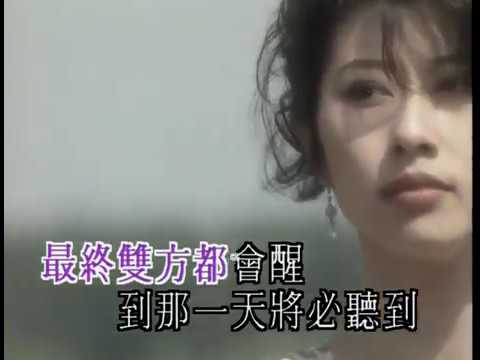

































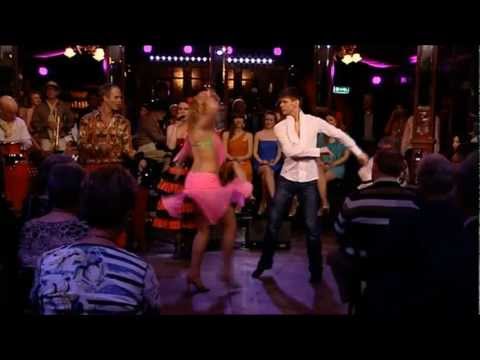




 – 往事只能回味 (The Past Can Only Be Reminisced)'))
Comments