





 Al Martino
 Roberto Murolo
 Trío Delfines
 Dave Apollon


 Billy Vaughn

Torna a Surriento (Song)
From Wikipedia, the free encyclopedia
“Torna a Surriento” (pronounced [ˈtɔrn a ssurˈrjendə]) is a Neapolitan song composed in 1894 by Italian musician Ernesto De Curtis to words by his brother, the poet and painter Giambattista De Curtis. The song was copyrighted officially in 1905, and has become one of the most popular of this traditional genre; others include “‘O sole mio“, “Funiculì funiculà“, and “Santa Lucia“.
History
Tradition holds that the origin of the song dates to 1902, when Guglielmo Tramontano, mayor of Sorrento, asked his friend Giambattista De Curtis to write the song for the Prime Minister Giuseppe Zanardelli, then vacationing at his seaside hotel, the Imperial Hotel Tramontano; it was claimed that the piece was meant to celebrate Zanardelli’s stay.
Some claim the song is a plea to Zanardelli to keep his promise to help the impoverished city of Sorrento, which was especially in need of a sewage system. The song reflects the beauty of the city’s great surroundings and the love and passion of its citizens.
More recent research indicates that the song may merely have been reworked for the occasion; family papers indicate that the brothers deposited a copy with the Italian Society of Authors and Editors in 1894, eight years before they claimed to have written it.
| Neapolitan lyrics (“Torna a Surriento”) | English translation (“Come Back to Sorrento”) |
| Vide ‘o mare quant’è bello! Spira tantu sentimento, Comme tu a chi tiene mente, Ca scetato ‘o faje sunnà. Guarda, guà chistu ciardino; Siente, siè ‘sti sciure ‘arancio: ‘Nu prufumo accussì fino Dinto ‘o core se ne va. E tu dice: “Io parto, addio!” T’alluntane da ‘stu core. Da ‘sta terra de ll’ammore Tiene ‘o core ‘e nun turnà? Ma nun me lassà, Nun darme ‘stu turmiento! Torna a Surriento, Famme campà! Vide ‘o mare de Surriento, Che tesore tene ‘nfunno: Chi ha girato tutt’ ‘o munno, Nun ll’ha visto comm’a ccà! Guarda attuorno, ‘sti Ssirene Ca te guardano ‘ncantate E te vonno tantu bbene, Te vulessero vasà! E tu dice: “Io parto, addio!” T’alluntane da ‘stu core. Da ‘sta terra de ll’ammore Tiene ‘o core ‘e nun turnà? Ma nun me lassà, Nun darme ‘stu turmiento! Torna a Surriento, Famme campà! | English translation (“Come Back to Sorrento”) Claude Aveling wrote the English-language lyrics, which are titled “Come Back to Sorrento“. Look at the sea, how beautiful it is, it inspires so many emotions, like you do with the people you look at, who you make to dream while they are still awake. Look at this garden and the scent of these oranges, such a fine perfume, it goes straight into your heart, And you say: “I am leaving, goodbye.” You go away from this heart of mine, away from this land of love, And have you the heart not to come back? But do not leave me, do not give me this torment. Come back to Surriento, make me live! Look at the sea of Surriento, what a treasure it is! Even who has travelled all over the world, has never seen a sea like this one. Look at these mermaids that stare, amazed, at you, that love you so much. They would like to kiss you, And you say: “I am leaving, goodbye.” You go away from my heart, away from the land of love, And have you the heart not to come back? But please do not leave me, do not give me this torment. Come back to Surriento, make me live! |
Recordings
“Torna a Surriento” has been sung by performers as diverse as:
- Anna Maria Alberghetti
- Bing Crosby recorded a version titled “The Story of Sorrento” on December 11, 1947, with Victor Young and His Orchestra.
- A comedic version by Billy Connolly entitled “Saltcoats at the Fair”.
- Dean Martin recorded a version adapted by Joseph J. Lilley entitled “Take Me In Your Arms” on his album Dino: Italian Love Songs (1962).
- Dean Martin version of Neapolitan lyrics (“Torna a Surriento”)
- Elvis Presley released a version re-arranged and with new English lyrics by Doc Pomus and Mort Shuman entitled “Surrender” in 1961.
- Roberto Carlos
- Violeta Rivas
- Robert Grant
- Ruggero Raimondi
- Sergio Franchi covered the song for his 1962 RCA Victor Red Seal debut album (Romantic Italian Songs), which peaked at No. 17 on the Billboard Top 200.
- André Rieu · Johann Strauss Orchestra
- Mantovani Orchestra
- Julio Iglesias
- James Last
- Nono Morales & His Orchestra
- Teresa May
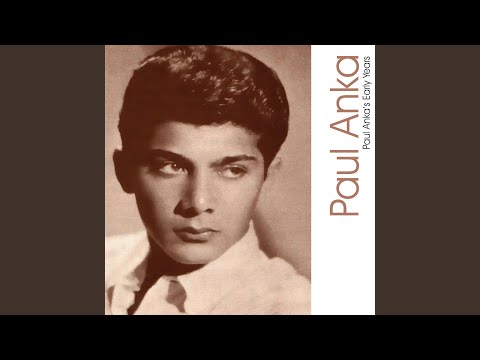
- Paul Anka
- Vic Damone
- HAUSER & Caroline Campbell
- Vasko Vassilev
- Liberace
富田千種 Chigusa Tomita (Japanese and Italian)
Popular culture
- In the television show The Honeymooners, Ralph Kramden identifies the song in preparing for his appearance on a quiz show called The $99,000 Answer. He mistakenly identifies it as “Take Me Back to Sorrento” and says it was written by “Ernesto Dequista”, which his friend Ed Norton says is “absolutely correct”.
- The song was featured throughout the 1954 film Seagulls Over Sorrento where it was played by actor David Orr on the concertina.
- The song is featured in the movie “Serenade” (1956)
Sorrento (City)
Sorrento (/səˈrɛntoʊ/ sə-REN-toh, Italian: [sorˈrɛnto]; Neapolitan: Surriento [surˈrjendə]; Latin: Surrentum) is a city and comune overlooking the Bay of Naples in Southern Italy.
A popular tourist destination, Sorrento is located on the Sorrentine Peninsula at the southern terminus of a main branch of the Circumvesuviana rail network, within easy access from Naples and Pompei. The city is widely known for its small ceramics, lacework and marquetry (woodwork) shops.
The Sorrentine Peninsula has views of Naples, Vesuvius and the Isle of Capri. The Amalfi Drive, connecting Sorrento and Amalfi, is a narrow road along the high cliffs above the Tyrrhenian Sea.
Ferries and hydrofoils connect the city to Naples, Amalfi, Positano, Capri and Ischia.
Limoncello, a digestif made from lemon rinds, alcohol, water and sugar, is produced in Sorrento along with citrus fruit, wine, nuts and olives.


























'))
Comments